
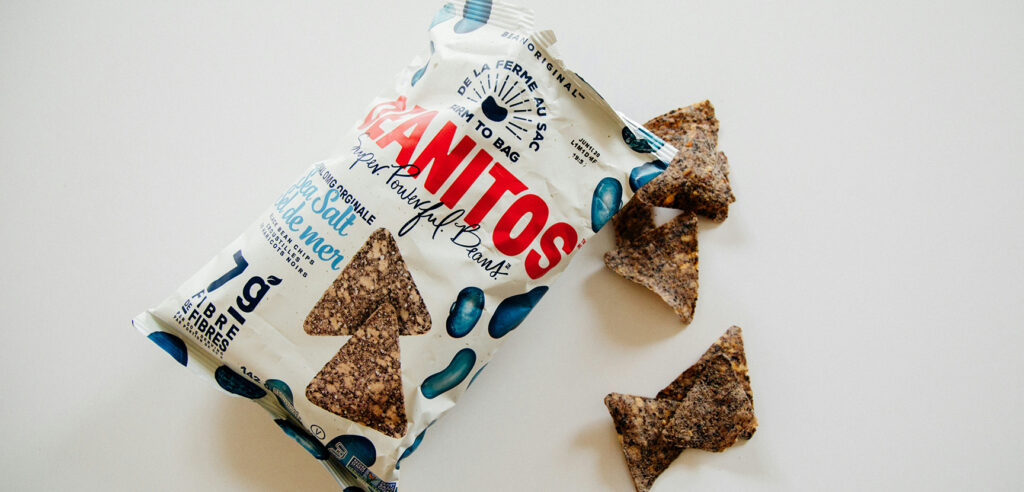
Soft packaging, commonly used for products like food, beverages, pharmaceuticals, and consumer goods, requires printing inks with specific properties to ensure quality, safety, and durability. Here are the key properties that soft packaging demands from printing inks:
1. Adhesion
- Requirement: Inks must adhere well to a variety of substrates used in soft packaging, such as polyethylene, polypropylene, PET, and other films.
- Importance: Ensures that the print remains intact during handling, storage, and use.
2. Flexibility and Elasticity
- Requirement: Inks should be flexible and capable of withstanding the bending, folding, and stretching that occurs during the packaging process and consumer use.
- Importance: Prevents cracking or flaking of the print.
3. Chemical Resistance
- Requirement: Inks need to resist chemicals and solvents that might come into contact with the packaging, including oils, greases, and cleaning agents.
- Importance: Ensures the print remains legible and intact despite exposure to various substances.
4. Heat Resistance
- Requirement: Inks should withstand the heat sealing process and any other heat treatments during packaging or sterilization.
- Importance: Prevents discoloration, smudging, or degradation of the print when exposed to heat.
5. Lightfastness
- Requirement: Inks must resist fading when exposed to light, particularly UV light.
- Importance: Maintains the visual appeal and readability of the packaging over time.
6. Low Migration
- Requirement: Inks should have minimal migration of components into the packaged product, especially for food and pharmaceutical packaging.
- Importance: Ensures safety and compliance with regulatory standards for indirect food contact.
7. Printability
- Requirement: Inks must perform well on various printing machines and processes, such as flexography, gravure, and digital printing.
- Importance: Ensures high-quality, consistent printing with good color reproduction and sharpness.
8. Durability and Abrasion Resistance
- Requirement: Inks need to resist wear and abrasion during handling, shipping, and consumer use.
- Importance: Maintains the integrity of the print and extends the shelf life of the packaging.
9. Eco-Friendliness
- Requirement: Inks should be environmentally friendly, with low levels of volatile organic compounds (VOCs) and heavy metals.
- Importance: Meets consumer demand for sustainable packaging and complies with environmental regulations.
10. Food Safety Compliance
- Requirement: Inks used for food packaging must comply with food safety regulations and standards set by organizations such as the FDA, EU, and other regulatory bodies.
- Importance: Ensures that the packaging is safe for direct and indirect contact with food products.
These properties ensure that the inks used in soft packaging meet the necessary performance, safety, and regulatory standards required for various applications.
At INLIDA, we developped the UV FOOD-S & UV FOOD-F series which is a low migration product specifically designed for packaging printing applications in dairy, food, pharmaceuticals, and other sectors, offering low odor and environmentally friendly properties.
For more details, please click the link:
Facebook
Twitter
LinkedIn