
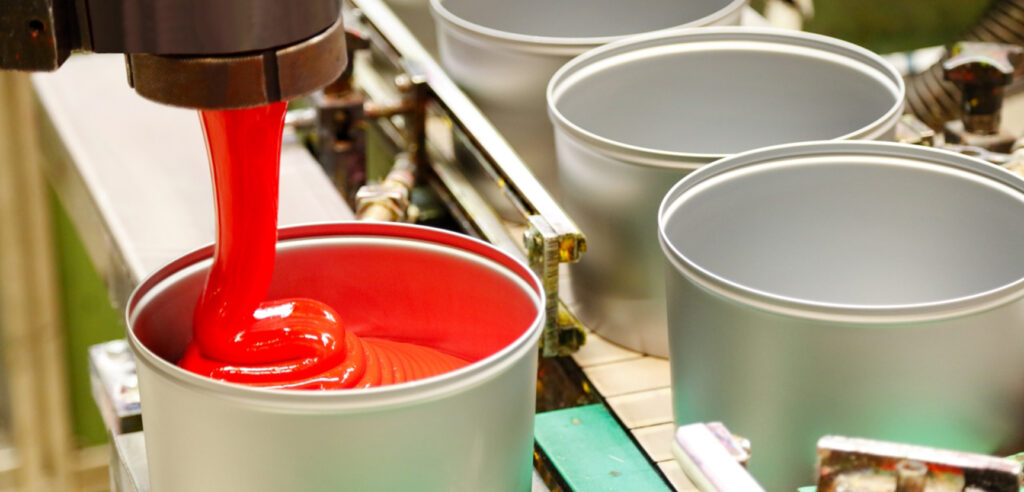
Ink fluidity refers to the ease with which ink flows under specific conditions. It is a critical property in printing processes as it affects the ink’s ability to transfer from the printing plate or cylinder to the substrate. Good fluidity ensures consistent ink coverage, smooth application, and high-quality print results. Fluidity is closely related to viscosity but encompasses other factors that influence the ink’s overall flow behavior.
Factors Influencing Ink Fluidity
- Viscosity:
- Definition: Viscosity is a measure of a fluid’s resistance to flow. Inks with lower viscosity flow more easily, while higher viscosity inks are thicker and flow less readily.
- Influence: Higher viscosity can lead to issues like poor ink transfer and uneven coverage, while low viscosity can cause excessive spread and dot gain.
- Surface Tension:
- Definition: Surface tension is the cohesive force at the surface of a liquid that makes it contract. It affects how well the ink wets the printing surface.
- Influence: Lower surface tension improves wetting and spreadability, which is crucial for good adhesion and print quality.
- Temperature:
- Influence: Ink fluidity generally increases with temperature as viscosity decreases. This is because the heat reduces the intermolecular forces within the ink, making it easier to flow.
- Ink Composition:
- Resins and Binders: The type and molecular weight of resins affect viscosity and, consequently, fluidity.
- Solvents: Solvents control the viscosity and drying rate of the ink. They can be adjusted to achieve the desired fluidity.
- Additives: Surfactants, plasticizers, and other additives can modify the ink’s flow characteristics, surface tension, and drying behavior.
- Pigment Dispersion:
- Influence: Proper dispersion of pigments within the ink ensures a consistent flow. Poor dispersion can lead to clumping, affecting fluidity and causing issues like clogging and inconsistent color application.
- Shear Rate:
- Influence: The shear rate (rate of deformation) during the printing process can affect ink viscosity. Inks can exhibit shear-thinning behavior, where viscosity decreases under higher shear rates, improving fluidity.
- Shear-Thinning Agents:
- Definition: These are additives that reduce viscosity under mechanical stress, improving ink transfer during printing.
- Influence: They help maintain a balance between adequate flow and stability, ensuring consistent ink application.
These factors interact to determine the ink’s overall performance in different printing processes, such as offset, flexographic, or gravure printing. Optimizing fluidity is essential for achieving the desired print quality and efficiency.
Facebook
Twitter
LinkedIn